Plumbing emergencies at home can be a daunting experience for any homeowner. They often occur unexpectedly and can lead to substantial damage if not handled promptly and correctly. However, with the right knowledge and skills, you can manage these situations effectively to minimize their impact on your property.
One of the most crucial tips when dealing with plumbing emergencies is knowing where your main water shut-off valve is located. This valve controls the entire water supply in your home. In case of a major leak or pipe burst, turning off this valve immediately will stop further water flow and prevent extensive damage.
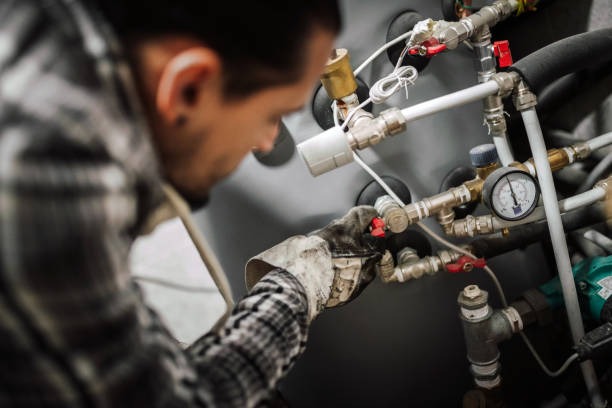
Next, it’s essential to understand that not all plumbing issues require professional intervention. Simple problems like minor leaks or clogged drains can usually be fixed using basic tools available at home. For instance, plungers are great for unclogging blocked toilets or sinks while adjustable wrenches and screwdrivers can tighten loose fixtures.
However, don’t hesitate to call a professional plumber if you’re unsure about handling an issue yourself. DIY repairs may save money initially but could cost more in read the complete guide long run if done incorrectly leading to bigger problems down the line.
Another useful tip is always having an emergency kit ready for unexpected plumbing disasters. This should include essential tools such as plumbers’ tape, a wrench set, plunger, bucket (for catching drips), and absorbent towels or rags for cleaning up spills quickly.
Preventive maintenance is also key in avoiding serious plumbing emergencies at home. Regularly check visible pipes for signs of wear or leaks; clean drains regularly to prevent blockages; monitor your water pressure as sudden changes could indicate potential issues; insulate pipes during winter months to prevent freezing which could cause them to burst.
It’s also advisable to learn some basic plumbing skills such as replacing washers in taps or clearing minor drain clogs using baking soda and vinegar solution. These simple tasks do not require advanced expertise yet they allow you deal with small issues before they escalate.
Finally, it’s important to remember that water damage from plumbing emergencies can pose serious health risks due to potential mold growth. Therefore, after any major leak or flood, ensure the affected area is thoroughly dried and disinfected.
In conclusion, handling plumbing emergencies at home requires a combination of preparedness, basic skills, and quick decision-making. By knowing where your shut-off valve is located, having an emergency kit ready, practicing preventive maintenance and learning some simple DIY repairs you can effectively manage these situations. However, always prioritize safety and don’t hesitate to call a professional when necessary.